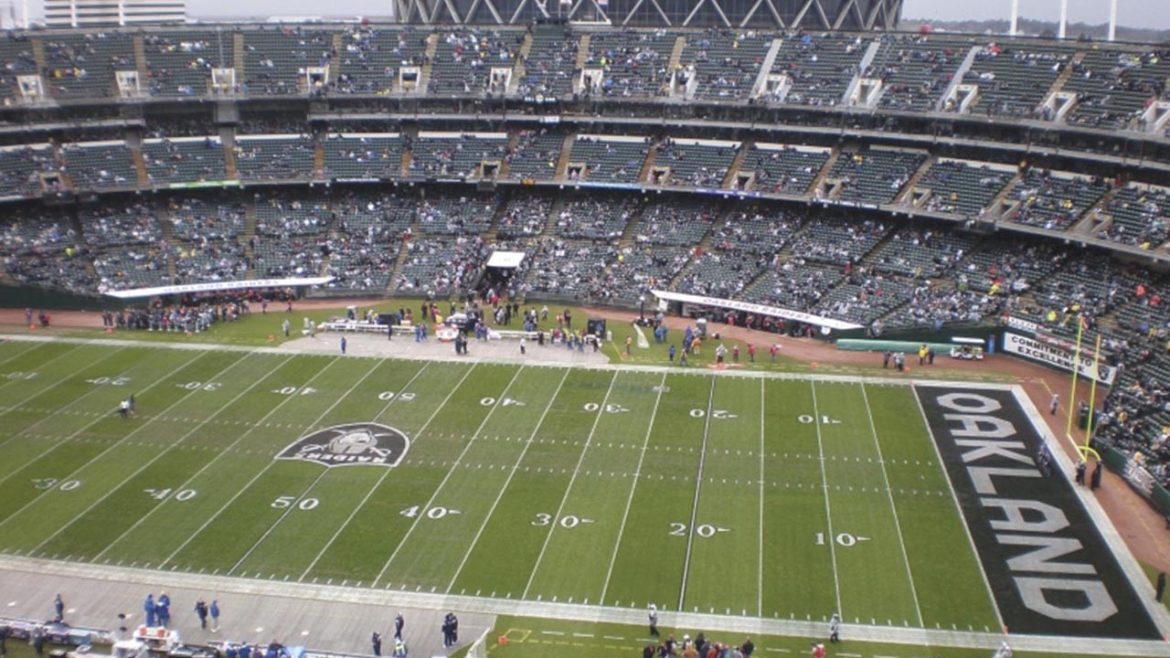
There has never been a Black controlling owner in the history of the NFL. A new ownership group based in Oakland is trying to change that.
The African American Sports and Entertainment Group (AASEG) was founded in 2020 with the stated goal of “using the vehicle of sports and entertainment to create a path for enhanced economic equity for the Black community.” Its first order of business? Buy an NFL team and bring it back to Oakland. That might sound like a relatively clear-cut mission, but a lot has to happen for it to be accomplished. The process would proceed through three main steps, all starting with the Oakland Coliseum.
The first step for the AASEG would be to acquire the city’s share of the Oakland Coliseum. The Coliseum currently has two owners: the MLB’s Oakland Athletics – who purchased their ownership stake from Alameda County in 2019 – and the city of Oakland. The city is in the process of selling its share of the stadium, and the AASEG has submitted a $92.5 million bid to purchase it. If its bid is successful, the AASEG plans to build a brand-new football stadium suitable for an NFL team.
That’s a big “if.” The city of Oakland has reportedly been in talks with the Athletics to have the team acquire the remainder of the stadium, and retired Athletics pitcher Dave Stewart – who is Black – has submitted a $115 million bid too. A successful bid from Stewart would be historic, but likely not for the NFL because he has not mentioned any plans to bring a football team to the area.
In the event that the AASEG does win its bid, the second step would be for the group to find an NFL team to buy. In other words, there must be a team for sale. Besides some quarrels and legal battles among family members of current owners, no NFL team is on the market. Sports teams are like family jewels, often held within families for generations. One reason is the allure of being in such an elite club, the other is the way in which sports teams appreciate in value over time. As an example, Glen Taylor bought the NBA’s Minnesota Timberwolves in 1994 for a reported $88 million, and he is now in the process of selling the team (along with the WNBA’s Minnesota Lynx) for an estimated $1.5 billion – a return of over 1,000%.
If the AASEG is unable to find a current owner willing the sell, an alternative route would be to wait until the next NFL expansion when new teams are created. This would be a lengthy process driven by the league and its owners, but in the event of an expansion, the AASEG could presumably submit a bid on behalf of the city of Oakland.
Assuming those hurdles are crossed on the sell side, the third and final step would be for the AASEG to produce the funds necessary to purchase a team. The league’s rules require one person to individually own at least 30% of a team – and the going price of an NFL team is in the billions of dollars. No single member of the AASEG has that amount of cash, so the group’s approach is to seek an exemption from the league’s rules, something that the Green Bay Packers were able to do when they established their unique publicly owned structure. The purchase would ultimately have to be approved by a vote of all NFL owners, which would be no certain thing given the exclusivity – and homogeneity – of their club.
Oakland residents will definitely be cheering on the AASEG in its pursuit. If the group is successful, its leaders plan to build more than a football stadium: a “Black Wall Street 2.0,” an Oakland Hall of Fame Museum, and an academic center focused on entrepreneurship and sports management are all in the cards.
Members of the AASEG have reportedly had conversations with the NFL regarding their plans, but at the end of the day, it will take more than just talk to seal the deal. It will take a combination of coordination, timing, luck, and a whole lot of money to bring a Black-owned football team to Oakland.
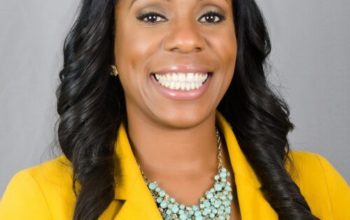
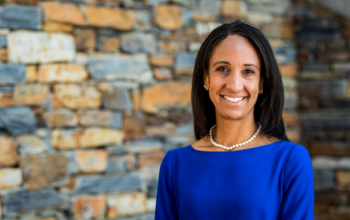
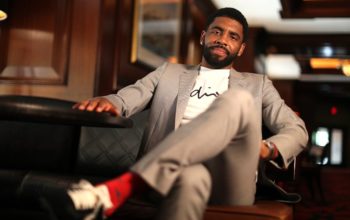
Members of the AASEG include:
- Ray Bobbitt, president of the Nacirfa Corporation, an Oakland-based facility management and urban consulting company
- Bill Duffy, sports agent and CEO of BDA Sports
- Robert Bobb, former deputy mayor of Washington, DC during the Nationals’ relocation from Montreal
- Jim Reynolds, CEO of Loop Capital, an investment bank
- Alan Dones, managing partner of the Strategic Urban Development Alliance, a firm specializing in large-scale, innovative, public agency projects and mixed-use development
- Shonda Scott, founder of 360 Total Concept, an Oakland-based management consulting firm